Kevin Bemel ·
Are You Interested in the Passover Seder?
Through my work as a navy chaplain I found many people are profoundly interested in the holiday of Passover, or Pesach as it is known in Hebrew. Whether it is the centrality of the Exodus to Judaism, the Last Supper having been a Seder, or the resonance of the theme of freedom, people of many faiths want to understand and experience this millennia-old ritual.
My most memorable Seder was in 2008 when my family held the community Seder at our home in Okinawa. About 30 people attended and it was an international group. People from four continents engaged in conversations in five languages. We shared lots of matza, wine, and food – more importantly the desire to learn sparked spirited discussions and when it was over we were more deeply connected to each other and G-d.
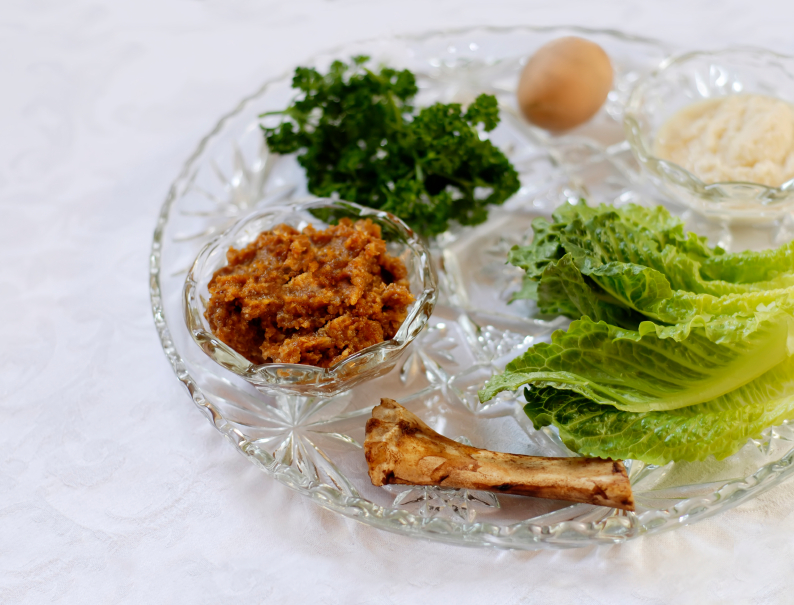
The Seder, which outside of Israel takes place on the first two nights of the festival, is a ritual meal laden with symbolism. A plate on which are laid a shank bone, roasted egg, green vegetable, two bitter herbs, and a fruit and nut mixture called charoses stirs the curiosity of the people at the table. Practices such as dipping the green vegetable in salt water and matza into the charoses likewise act as an impetus to questions. This experiential observance helps people to feel as if they themselves were redeemed from Egyptian slavery by G-d.
Some resources for learning about Pesach are:
Aish.com
Chabad.org
Judaism 101
Torah.org
Of course, I am happy to answer your questions. Over the years I have done Seder presentations for many Christian groups. Please let me know if you are interested in having me do one for your group.
Pesach is known as Zman Cheiruseinu, the Time of Our Freedom, referring not just to the release from Egyptian bondage but to being free from those things limiting your personal growth. To that end, check back next week for my post on counting the Omer, the oldest personal development program.
Chag Someyach! – May you have a joyous holiday!
What fond memory do you have of a Seder or question you have always wanted to ask? Please comment below.
Like the yearly cycle of Sabbath readings in the Torah, the first five books of the Bible, known as sedras or parshas that begins and ends on Simchas Torah, the cycle of annual holidays begins with Pesach. It continues with the Counting of the Omer, Shavuos, Rosh Hashanah, Yom Kippur, Sukkos, Shemini Atzeres/Simchas Torah, Chanukah, and Purim.
Ask a question about a holiday or verse in the Old Testament and I will answer it in a future holiday post or Parsha Nugget!
