Kevin Bemel ·
How You’ll Know You Have Really Thanked Someone
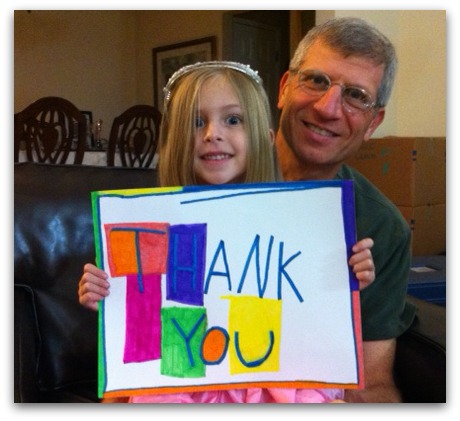
When I thank someone often he says no problem instead of saying, “You’re welcome.” While this may sound trivial, I feel like he has rejected my gratitude. The whole business of expressing and accepting appreciation is complex. Should someone be equally grateful for all thankfulness? Who gets to decide if a thank you is sincere? Parshas Tzav gives some insight:
“If a thanksgiving offering he will offer . . .” (Vayikra/Leviticus 7:12).
This week’s parsha continues the discussion of the korbanos, the offerings brought in the Temple. Then it details the anointing of Aaron and his sons as the Kohanim or Priests who will serve there.
Someone wishing to express gratitude for G‑d's generosity and kindness brings a korban todah, or thanksgiving offering. You might have thought that everyone should bring this offering every day. After all, people continually benefit from the Almighty’s magnificent creation.
But the daily prayers and blessings express routine thanks to G‑d. You would only offer the korban todah on four special occasions:
1. Surviving a trip at sea
2. Traveling through a desert
3. Upon being released from captivity
4. After recovering from serious illness.
All happen through G-d’s miraculous intervention. So they deserve of an extra measure of gratitude.
Thanked Versus Deep Gratitude
If you think about it, they mirror the miracles G‑d performed when the Israelites left Egypt:
1. G‑d split the sea
2. Helped the Israelites cross the desert
3. Looked out for their spiritual welfare
4. And their physical welfare.
As the central event in Jewish existence, the Exodus gets constantly invoked in prayer and ritual. So the korban todah represents the pinnacle of thanks. Likewise, those who deeply enriched your life should receive your deepest gratitude.
As important, this offering had very specific rules. G-d accepts it only when all the details are performed. So your most heartfelt appreciation needs to "speak" to the person you're thanking.
As for being no problem for saying thank you, I decided to hear "you’re welcome" no matter what the person says.
How do you like to be thanked?
You can leave a comment on this question or ask another question below ↓
Every year beginning on Simchas Torah, the cycle of reading the Torah, the first five books of the Bible, ends and begins again. Each Sabbath a portion known as a sedra or parsha is read. Its name comes from the first significant word or two with which this weekly reading begins.
Do you have a question about the Old Testament? Ask it here and I will answer it in a future Parsha Nugget!
