Kevin Bemel ·
How to Decide When You'll Embrace Change
I became an Uber fan last week. My wife used it to go to a banquet a few days before and loved it. The ease and economy of Uber is irresistible. The hardest part was downloading the app and getting it set up, which took about 15 minutes. Unlike the times I’ve taken taxis, the driver showed up on time (the app tracked her arrival), she was friendly, her car was clean, and she drove me to me destination quickly.
I learned that Uber is controversial here in Los Angeles. The city council has considered banning it and airports trip are prohibited. Regrettably, the ugly history of licensing continues. Edwin G. Burrows and Mike Wallace, in their massive tome Gotham: A History of New York City to 1898, show how over the centuries licensing has been used to exclude certain groups of people, including the Irish, blacks, and women, from various trades and professions.
Of course not every butcher, baker, cartman, and physician supported such exclusivity. Some overcame their financial self-interest and refused to fall prey to prejudice by remaining true to their values. They benefitted from the virtues of democracy and felt other should too.
So what does the plight of Uber have to do with personal development?
Articles extolling the virtues of change abound. Earlier this year I wrote about how you shouldn’t fear change. I’ve also written about how not all change is good and that it should enhance your life.
So when should you embrace change and when should you shun it?
This is not an easy question to answer. Some guidelines will help:
- If you have a destructive habit such as overeating, not exercising, or spending more money than you earn you need to change it. The sooner the better.
- If your behavior is damaging a relationship, change it. A poor communication style must be improved. If you aren’t regularly and positively expressing connection to your spouse or children now is the time to do so.
- If the way you do something is unproductive or inefficient you probably should change it. Do you regularly use electronic devices before going to sleep or have an inconsistent bedtime? You’re sapping your productivity. In contrast, using Uber will help you be more efficient. (If you want a free ride use my code, kevinb5383ue. Full disclosure: If you use it I’ll get a free ride too.)
Should you change your values? As the example about licensees in New York City shows, typically the harder and better decision is to hold onto your values. Especially if the impetus for change is coming from outside yourself or from an untrustworthy source.
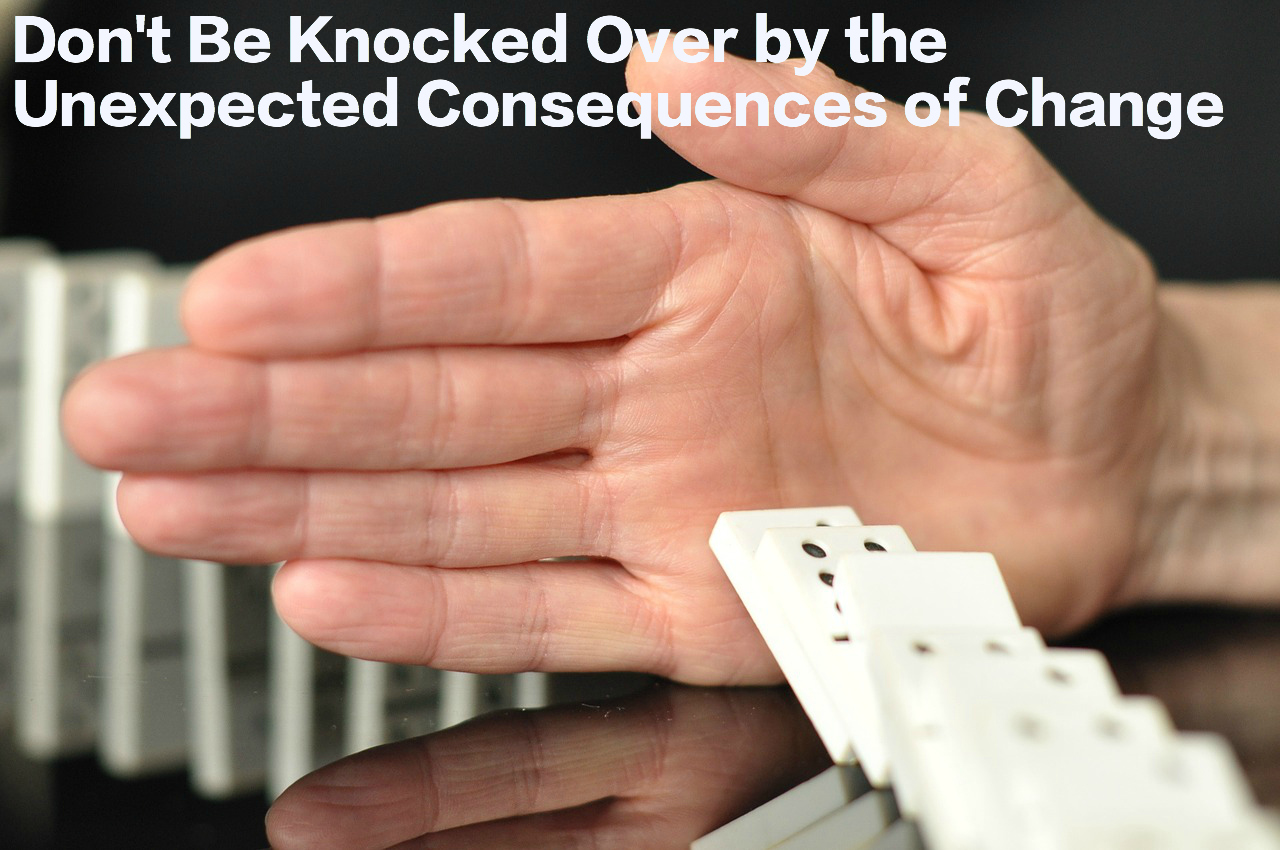
However, there may be times when you need to consider adjusting your values. If your worldview impedes your growth you should examine alterations. But before you change your values, recognize by altering your foundation you subject yourself to the law of unintended consequences. You will have an adjustment period while you work through all the dimensions of this change.
For more than a century society has urged embracing change, essentially for its own sake. As an Intentionalist, you decide when to Uber up.
How do you decide whether to change? Please comment below.
