Kevin Bemel ·
For This Small Act You May Get Great Reward
Parsha Nugget Chukas – Numbers 19:1-22:1
Do a Good Turn Daily. Meant to inculcate the habit of performing a daily kindness, for four decades the Boy Scout slogan motivated me long before I embraced traditional religiosity. While Lord Baden Powell probably had a New Testament source, I am tempted to conclude he took the slogan from this week’s parsha, Chukas:
. . . do not fear him for into your hand I give him and all of his people and his land; and you will do to him like that you did to Sichon king of the Emorites who dwells in Chesbon. (Numbers/Bamidbar 21:34)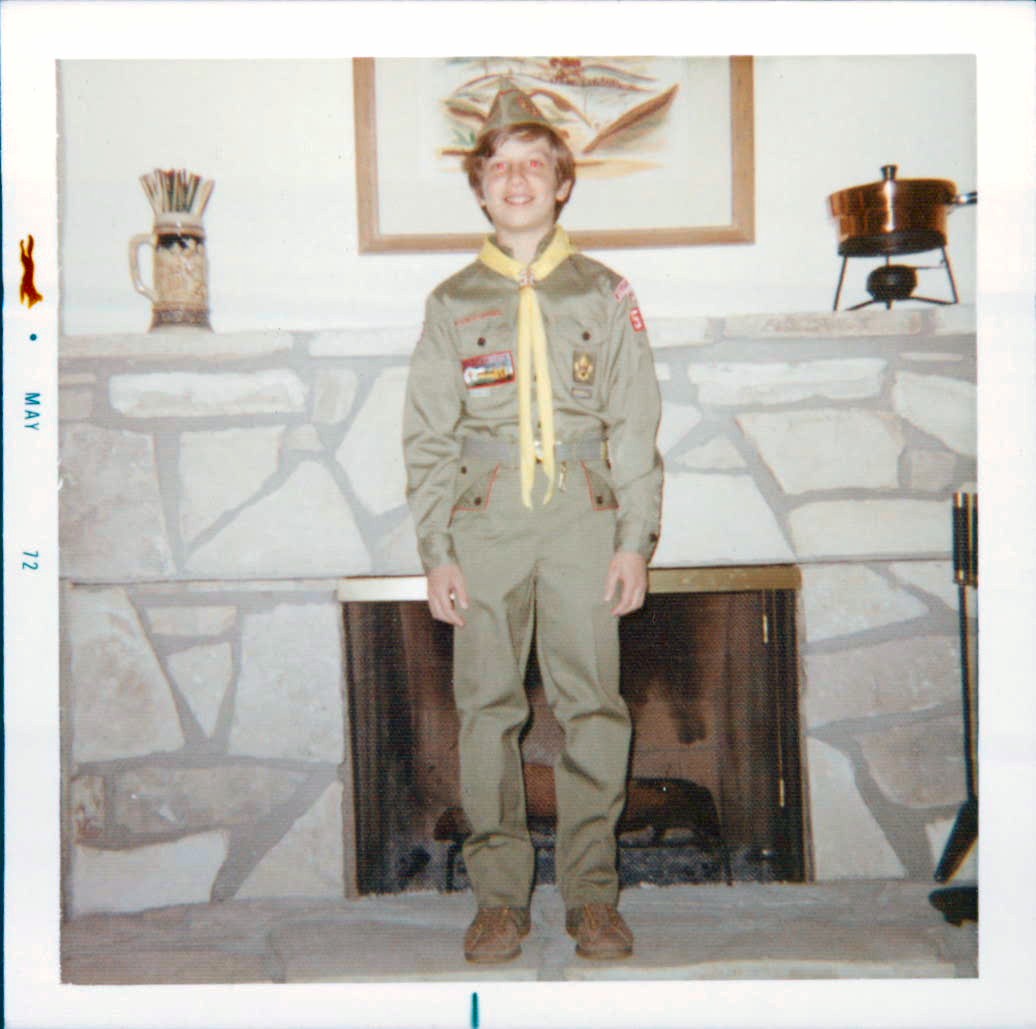
This week’s parsha discusses the mysterious commandment of the red heifer, Miriam’s death and the subsequent stopping of the well of water, Moses’s and Aaron’s error and punishment for disobeying G-d when supplying water to the people, the death of Aaron, the attack of the Amalekites, and the wars with Sihon and Og.
Would it surprise you to know that the greatest prophet who ever lived, the one chosen to redeem the Children of Israel from Egyptian slavery, seems to experience a lack of faith in this week’s parsha? Referring to Og, King of Bashan, in the above statement G-d tells Moses the Israelites will succeed in this second battle. Why reassure him unless Moses had lost faith?
Rashi explains the backstory for such seemingly inconceivable behavior. Moses feared Og.
Og, or one of his ancestors, was the refugee from the war of the kings who informed Abraham that King Chedarlaomer captured his nephew Lot. Moses was concerned that because of this act of kindness, done so long ago, G-d might protect Og. After all, he helped Abraham rescue his nephew (an especially important mitzvah). Not a baseless concern.
But Og’s motive was selfish. By telling him of Lot’s capture, Og hoped Abraham would attack King Chedarlaomer and be killed. Og could then take Sarah, whose beauty he coveted. Note that this justifies Abraham’s fear about being murdered because his wife was so stunning.
The main point bears repeating. Despite Og’s tainted motive, Moses knew:
One Act of Kindness Can Merit G-d’s Protection
And so G-d reassured Moses.
What an astounding lesson in the power of chesed or act of loving-kindness. Og’s long ago, small, selfish act potentially protected him. If Moses’s fear signaled lack of faith, G-d would have punished him like He did for his mistake in the incident of the water earlier in the parsha.
You can never know why you were protected from harm, but even a tiny kindness may safeguard you. Knowing this can inspire you to take every opportunity to be more considerate of and helpful to your family, friends, and other people.
What is your plan for doing a daily kindness?
You can leave a comment on this question or ask another question below ↓
Every year beginning on Simchas Torah, the cycle of reading the Torah, the first five books of the Bible, ends and begins again. Each Sabbath a portion known as a sedra or parsha is read. Its name comes from the first significant word or two with which this weekly reading begins.
Do you have a question about the Old Testament? Ask it here and I will answer it in a future Parsha Nugget!
