Kevin Bemel ·
Are You Sowing the Right Seeds for What You Want to Reap?
Parsha [Passage of Scripture] Nugget [Precious Idea] Behar-Bechukosai – Leviticus 25:1-27:34
Living in my first apartment after college, for several weeks my roommate and I were awoken early by construction next door. One morning I had some words with one of the workers, and felt quite good at winning our verbal joust. Even if he had deserved such chastisement, parshas Behar - Bechukosai explains where I went wrong:
Do not subjugate him with hard labor. (Vayikra/Leviticus 25:43)
This Sabbath’s parsha is another double reading. Behar teaches about the shemitah or sabbatical year and the yovel or jubilee year, laws about selling land, how to prevent poverty, and how to treat a Jewish servant.
Bechukosai, the last reading in Leviticus, gives the blessings and curses that will befall the Children of Israel depending on whether they follow the path G-d has set. The rest of the parsha deals with gifts to the Temple and how they are redeemed, how houses and fields are redeemed, and tithes.
A Jew who has fallen into abject poverty may sell himself. Although the word used to describe him can mean slave, essentially he is an indentured servant. Great importance is placed on preserving the respect and dignity of this worker. The above verse is one of several protections.
Rabbi Shlomo Yitzchak, known as Rashi, explains “hard labor” as an employer being forbidden to say to his servant, “Warm up this cup for me” when he, the master, does not really want or need it. Even if the servant doesn’t know that the tea is unwanted, the instruction is considered demeaning and disrespectful.
Many people think that they can behave any way they want, as long as they do not hurt anyone else. So, it should be perfectly legitimate for a servant to make his master a cup of tea. If unbeknown to the worker the employer does not really want the tea, why is it considered such an insult and an affront to the servant’s dignity?
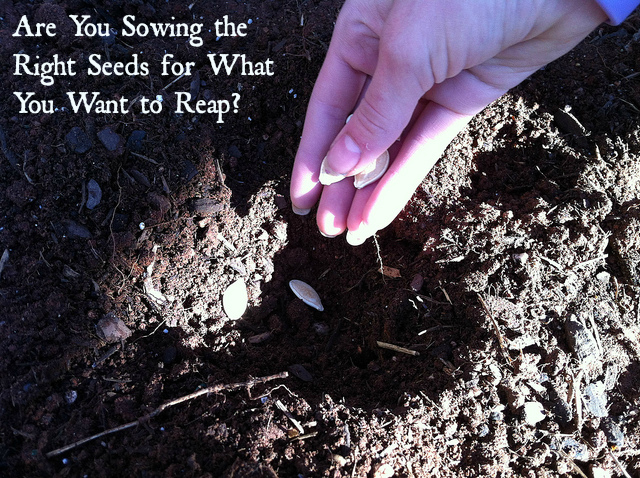
The answer gets to the heart of generous, moral, and ethical behavior. Although you may feel you can behave as you wish, as long as you do not hurt anyone else, such thinking is flawed. The purpose and benefit of appropriate behavior is as much for you as it is for others. You are responsible to help others and protect their dignity, but also to ensure that you refine and develop a sensitive, compassionate and respectful identity for yourself. When you ask a worker to do a senseless task, he might not be hurt, but you will damage your own character. It plants seeds of insensitivity in your own personality.
When you treat others properly you are supporting their sense of dignity. And, you are taking care of yourself by freeing yourself from the stain of misbehavior while sustaining relationships.
[Tweet "Self-Care Begins By Being Respectful of Others Thereby Entitling You to Respectful Treatment"]
Being careful how you treat others helps them while strengthening you. Always think twice before reprimanding someone. The ego you save may be your own.
Is there a time when it is okay to mistreat another person? Please comment below.
Every year beginning on Simchas Torah, the cycle of reading the Torah, the first five books of the Bible, ends and begins again. Each Sabbath a portion known as a sedra or parsha is read. It is named after the first significant word or two with which this weekly reading begins.
What verse in the Old Testament would you like to know more about? Ask a question and I will answer it in a future Parsha Nugget!
