Kevin Bemel ·
2 Key Traits for Social & Professional Success
Weighing the traits that will lead to success presents a contradiction. Common belief is that in order to succeed you need to have solid self-esteem. Yet, research shows essentially the opposite. Which qualities should you groom in yourself and loved ones?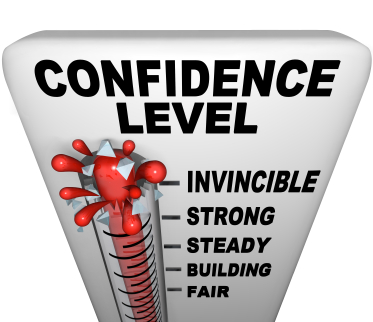
While attending a chaplain training several years ago, a brand new chaplain was asked to open the event with a prayer. Evidently not having been informed that praying according to a specific faith tradition is a no-no, he ended his prayer with the phrase, “and in Jesus’s name we pray.” Virtually every chaplain quickly swiveled his head to look at me. The tension was palpable. Did they think my head would explode? I defused the strain by reminding all that he was one of ours first.
Useful Self-Esteem Must Be Earned
In truth, it did not bother me in the least. I know who I am and wish to be tolerant of people speaking or acting in ways that I do not. To me, being disturbed by such an incident would have demonstrated a lack of self-esteem.
Do you have strong self-esteem? Would you like to increase it? A surprising Ohio State University study indicates that if you are 18 to 27 years old you can increase your feeling of self-esteem by borrowing money. Apparently, it does not matter whether the debt is educational loans or credit cards.
While the study was not definitive on this point, researchers surmise that the reason credit card debt has as positive an impact as educational debt is that young people can gratify themselves without delay. The lower their income, the larger boost to their self-esteem. Do you see the problem? The fewer resources you have to repay it, the greater incentive you have to boost your self-esteem by borrowing money.
When people enter the 28 to 34-year-old range they start to show some stress about debt.
There is significant evidence that the Self-Esteem Movement has created at least as many problems as it has solved. Dr. David Sack has researched this issue and concludes that in order to be effective self-esteem must be earned.
Low Self-Confidence Supports Professional Success
Here’s the rub: according to the Harvard Business Review, low, but not extremely low, self-confidence makes you more successful. You are more likely to pay attention to negative feedback, to be self-critical, to be motivated and work harder, to prepare more, and are less likely to be perceived as arrogant.
So which is better: high self-esteem or low self-confidence. The above data show that in social interaction having high enough self-esteem to let others express themselves without your being gravely offended will allow you to reduce stress in your life. Of course your self-esteem needs to be built on concrete achievements otherwise it is mere narcissism.
In your professional life, a healthy lack of confidence is likely to be most effective. How can you balance this against your self-esteem? Humility is the key. In business, there is always more to know and the right answer is rarely clear-cut. Knowing this should help you be humble as you navigate your professional life while avoiding being unduly strained by other people.
Question – How do you cultivate self-esteem without becoming arrogant?
You can leave a comment on this question or ask another question below ↓
